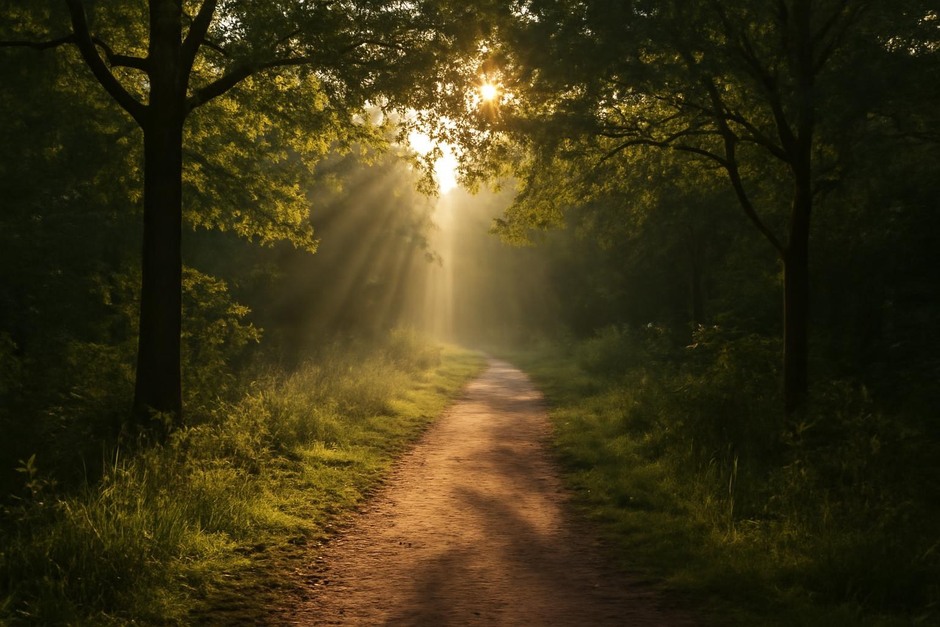
How Light and Weather Shape What We Notice on Short Walks
Problem
Walks that should feel rich and revealing often blur into routine. The same path can look like a different place depending on a bank of clouds, a wet surface, or a sudden sunbreak — but these shifts are easy to miss when we hurry or when our attention is fixed on destination rather than detail. Missing those cues means our notes, sketches, or memories flatten; we lose a chance to learn how small atmospheric changes shape place and feeling.
Principles
1. Use an anchor and then widen your view
Begin with a single, stable reference: a tree trunk, a stone, a gatepost. Note its color, texture, and shadow. Once anchored, sweep outward slowly. This gives you a baseline to compare how light and weather shift relative tones and surfaces.
2. Read light in layers
Light arrives in layers: the direct sun patches, soft fill from the sky, reflected light from surfaces, and the subtle halo of humidity. Name these layers aloud or in a quick note: is the light hard or soft? Is it warm, cool, or neutral? Which surfaces are reflecting it differently?
3. Treat clouds as active compositors
Clouds steer light more than they steal it. A high thin veil softens contrast; a low bank pushes colors toward cool grays and dampens texture. Watch how shadows lengthen, shorten, or vanish as clouds move. A single cloud can reveal hidden textures when it moves off, or reveal color saturation when it passes on.
4. Surface matters: wetness, frost, and dust change everything
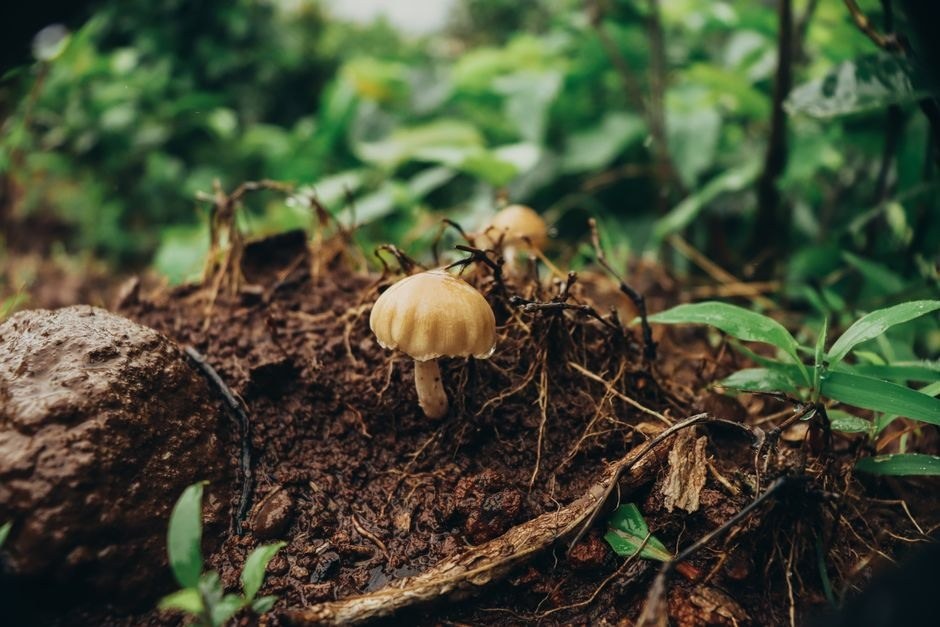
Moisture alters color and reflectivity. Damp leaves darken, stones take on sheen, and frost turns familiar surfaces into a luminous edge. Note the surface condition (dry, damp, matte, glossy) alongside your light observations — it’s often the interaction that makes the scene distinct.
5. Watch movement as a cue
Leaves, grass, and water respond before the eye notices a change in light. Movement indicates wind direction, cloud arrival, or an incoming weather shift. Listening to subtle sounds — the brush of reeds, a distant gull — is part of reading the atmosphere.
6. Repeat short observations
Make two- or three-minute checks at the same spot over twenty to thirty minutes. This telescopes small changes into a visible sequence, sharpening your sense of what changes quickly and what is more gradual.
Examples
- River bend at dawn: At first light the river’s surface is a flat, cool gray; the far bank is a silhouette. As the sun clears a low mist, the river catches warm streaks that separate the stones from the water. Noting that transition — “flat gray -> warm streaks -> brightened stone edges” — helps you recall not just the light but the sequence of thermal change that created it.
- Post-rain lane: Pavement darkens and becomes reflective. Puddles mirror a pale sky and nearby lamp posts, creating secondary light sources. A quick note on how color saturation deepened (greens becoming richer, bark darker) gives you language for future comparisons.
- Late-afternoon scrub: Hard light from a low sun throws long shadows that emphasize texture. When a passing cloud softens that light, textures fall back, and color temperature cools. Recording both states in a couple of short sketches or phrases preserves the contrast between texture and tone.
Practice Checklist
- Choose an anchor object and note its color, texture, and shadow (30–60 seconds).
- Describe the light in three words: quality (hard/soft), direction, and temperature (warm/cool).
- Record surface condition: dry, damp, glossy, frosted, dusty.
- Listen and watch for movement — note wind cues or sounds that accompany change.
- Repeat the short check after 5–15 minutes and note what changed (layer your notes with time stamps if possible).
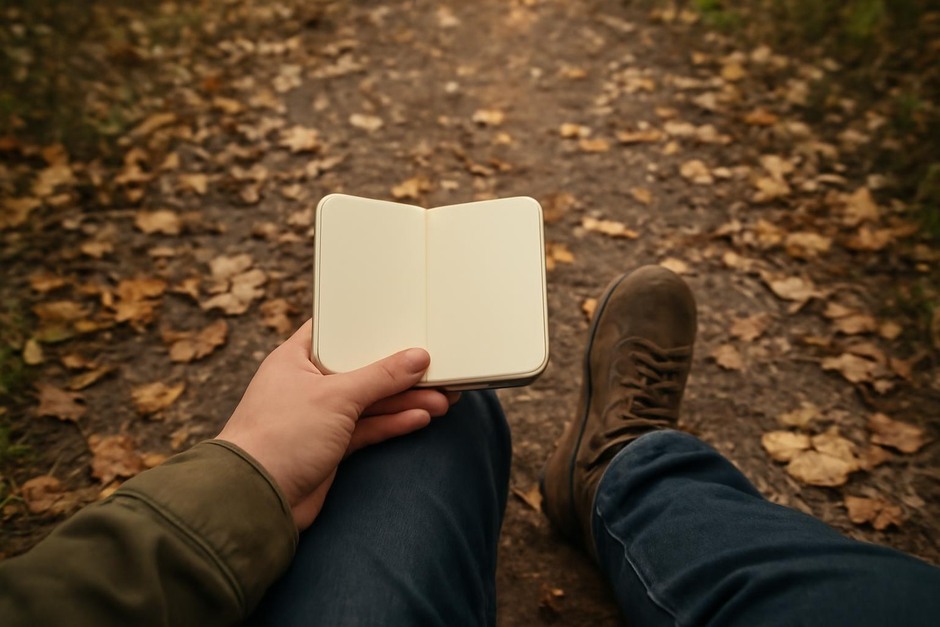
- Make one quick sketch or single-sentence line that captures the most striking difference you observed.
- At the end of the walk, write one sentence linking the weather/light shifts to the mood or character of the place.
These steps turn a routine walk into a disciplined observation practice. Over time, small habits of noticing light, cloud, and surface will make the landscape feel more conversational and provide richer material for journals, sketches, or simply memory.