Reading the Trail: A Field Guide to Noticing Small Changes on Short Walks
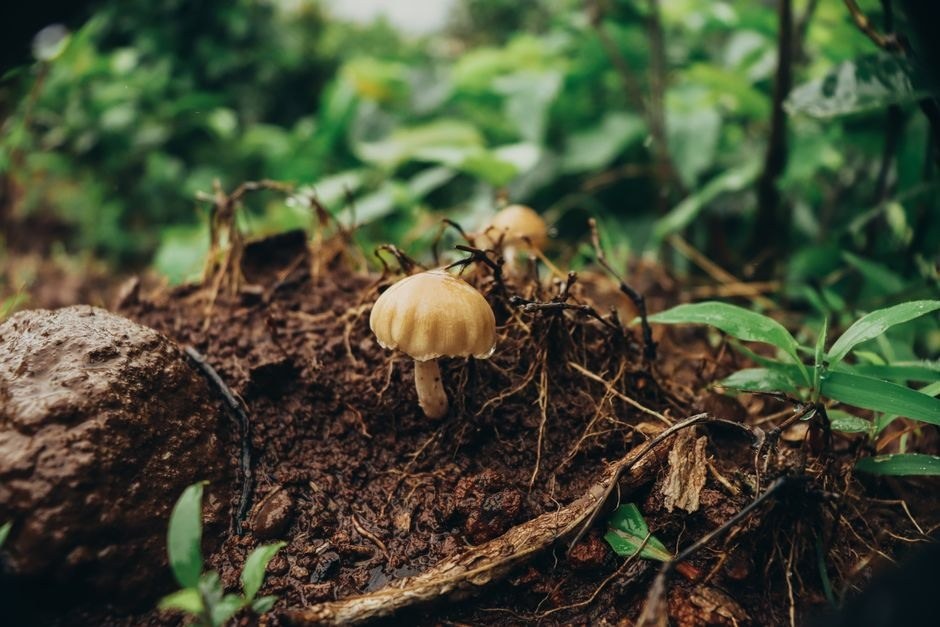
On a thirty-minute loop through the neighborhood greenway I stopped not because the path required it but because a cluster of bright orange fungi had appeared overnight on the shaded bank. That tiny change—an arrival I would have missed at my usual pace—became the day’s lesson. What follows is a practical field guide for turning short walks into reliable opportunities for careful observation without turning them into chores.
1. Learn the trail’s language: signs, sounds, and textures
Every path has a vocabulary made up of repeated marks and fleeting cues. Learning that language means training the eye and ear to notice patterns and deviations.
- Ground marks: footprints, tire tracks, animal runways, and leaf-disturbance tell you who passed through and when.
- Vegetation cues: bark wounds, sap, clipped stems, and new shoots suggest animal activity or recent weather impacts.
- Soundscape: the cadence of birds, insect hum, and distant water can shift with time of day and season; note sudden silences as readily as new calls.
- Microclimates: spots of lingering frost, damp hollows, or warm sunlit stones show how the path changes with slope, aspect, and canopy cover.
When you walk, pick one sensory channel to focus on for a section of the route. Try a five-minute listening session where you name every sound. On another day, let your hands find textures—moss, dry leaves, sand—and catalog differences.
2. Slow the pace with four small habits
Speed is the enemy of noticing. You don’t need to stop your life to slow your walk; adopt compact, repeatable habits that encourage attention.
- Three-stop rule: Stop deliberately three times on the loop. Each stop uses a different posture—stand, crouch, sit—and a different focus—visual, auditory, tactile.
- Look-down-to-look-up: Begin by scanning the ground for thirty seconds, then lift your gaze for thirty seconds. This shift resets attention and often reveals overhead changes you would otherwise miss.
- Shadow check: Pause when the sun forms a clear shadow. Shadows emphasize relief and texture, making tracks, holes, and seed heads more obvious.
- Slow steps: Take ten steps at half your normal cadence. Counting them aloud or in your head steadies breathing and deepens perception.
These are short commitments—each pause lasts less than a minute—but they change how the trail presents itself.
3. A minimalist kit for field notes
Recording observations keeps the practice from being purely ephemeral. The kit should be light, robust, and suited to repetition.
- Pocket notebook: A 3×5 notebook fits a back pocket. Use a two-line heading: date & time, location.
- Three-line entry: For each stop, note: what I noticed (brief), where exactly (bank, root, puddle), and a quick impression (new, repeated, curious).
- One sketch or photo: Make one small sketch or one restrained photo per walk. Sketching forces close attention; a single photo reduces the tendency to archive everything.
- Simple codes: Create two-letter codes for frequent observations—BR for broken twig, SP for spider web, FR for fungi—so recording stays quick.
One walk might yield three short entries. Over weeks these accumulate into a surprisingly informative record.
4. Track small seasonal cycles, not grand narratives
Instead of aiming to map climate or migrations from a few walks, focus on micro-cycles you can actually observe and revisit.
- First and last sightings: Note the first appearance of a song or bloom and the last time you hear or see it each season.
- Repeat checks: Revisit the same stump, puddle, or root every week. Some changes—mold growth, insect emergence, leaf decomposition—occur within days.
- Week-to-week tracking: Use your notebook to mark whether something is increasing, decreasing, or steady. A three-week run of increase often signals a meaningful seasonal shift.
- Micro-habit pairing: Pair an observation with another habit—morning tea, the evening walk—so it becomes part of your rhythm rather than an added task.
These small cycles teach you patience and improve predictive observation: you begin to expect, and therefore notice, when something diverges.
Conclusion
Short walks become richer when you treat them as fieldwork: learn the trail’s language, slow your pace with small habits, keep a minimalist note practice, and watch micro-seasons rather than grand arcs. The point is not to catalog everything but to cultivate a steadier attention that makes routine movement feel like an unfolding story. Over time those orange fungi, the thin song of a returning bird, or the shift in leaf litter density will no longer be coincidences but readable parts of the place you pass through each day.